Runways Go Global (and Digital)
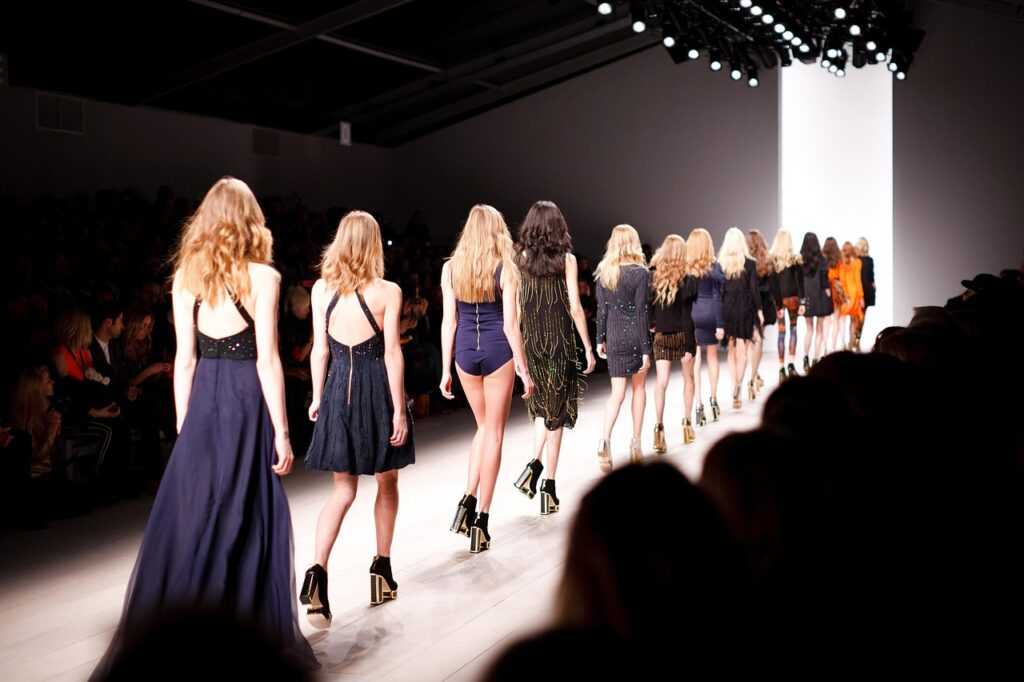
Fashion shows are no longer limited to a front row of editors, buyers, and celebrities. Over the last decade, digital access has transformed the runway experience into something global, instant, and interactive.
From Exclusive to Accessible
Traditional fashion weeks in cities like Paris, Milan, New York, and London still hold prestige.
However, the rise of livestreams and online coverage has removed the viewer barrier.
Today, anyone with an internet connection can experience a collection in real time.
Designing for the World
Designers are no longer just showing for an elite, in person audience:
Shows are now optimized for digital consumption camera angles, music, and pacing reflect this shift.
Brands tailor their showtimes and visual storytelling to engage viewers not just in the room, but across time zones.
Real time engagement on social platforms turns every runway into a two way performance.
Rise of the Digital First Brand
Some labels are redefining what a fashion show even is:
Newer, digital native brands often launch collections with cinematic lookbooks, video premieres, or live Q&As.
The emphasis is on reach and relevance rather than exclusivity.
Social platforms, especially Instagram and TikTok, now serve as runways themselves where trends emerge and evolve instantly.
In this new era, fashion weeks are less about elite shows behind closed doors and more about global storytelling at scale.
Breaking the Mold: New Formats and Experiences
The traditional catwalk is slowly becoming a relic. These days, fashion shows are less about showcasing clothes in a straight line under white lights and more about creating full blown experiences. Brands are leaning into immersive storytelling, turning runways into interactive stages, projection mapped environments, or even politically charged statements. The goal? Make a moment too memorable to scroll past.
From Gucci’s twin filled spectacles to Balenciaga’s post apocalyptic mud shows, nothing is off limits. Expect more fashion fused with theater, social commentary, or raw emotional energy. Shows aren’t just about clothes anymore. They’re about clicks, conversation, and content that stretches far beyond the venue.
On top of that, the rise of insta staging, rotating 360 degree sets, and remote destination runways think mountaintops or historic ruins has turned show design into a global flex. It’s still style, but now it’s spectacle, strategy, and viral marketing wrapped into one.
If you’re curious about how this shift changes more than just visuals, dive deeper into fashion show culture.
Diversity Front and Center

Fashion shows have finally started to reflect the real world slowly, but deliberately. Over the last decade, the runway has opened up, showcasing bodies, faces, and identities that were once locked out of the spotlight. Casting today prioritizes inclusion across age, size, race, and gender. That means 50 year old models, curve and mid size representation, non binary identity, and global beauty standards are more than token gestures they’re center stage.
This isn’t just a trend, either. Audiences and the internet are holding brands accountable. Runways that lack diversity don’t go unnoticed. Social media, with its raw immediacy, has given a platform to underrepresented voices who now have community, reach, and influence. One viral video can spark a rethink. One ignored voice can become a movement. The pressure is constant, and it’s effective.
As a result, casting directors and designers are working harder to reflect real representation, not just safe optics. It’s not perfect, but it’s progress and it’s reshaping the front row.
The Rise of Sustainability Messaging
Sustainability isn’t just a buzzword anymore it’s becoming standard practice in the way fashion shows are conceived, built, and presented. Designers are baking eco conscious thinking directly into their collections and runway experiences. We’re seeing reused set pieces and recycled materials taking the place of costly, waste heavy builds. The grandeur hasn’t disappeared, but it’s being reined in with purpose.
Physical invites are quickly fading out, with digital alternatives becoming the norm. It’s not just sleek it saves trees. Lighting setups are shifting to low energy systems, and logistics are leaning local to cut down on flights and freight. Behind the scenes, many brands are working to align their fashion week footprint with broader ESG goals. That includes publishing sustainability reports tied to their shows making values as visible as the clothes.
It’s clear: in the new fashion landscape, looking good also means being accountable.
Industry Disruption from Tech
The last few seasons made it clear: tech isn’t just supporting fashion shows it’s rewriting the script. CGI models are headlining campaigns. Augmented reality runways let viewers sit front row from their phones, and some brands are ditching physical venues entirely for virtual only launches. It’s less of a gimmick now, more of a blueprint.
Then there’s the crossover with Web3. NFTs that offer unlockable content or collector only access are creeping into the mainstream. Digital wearables are being launched side by side with physical collections, turning shows into dual reality events. What you see in the venue is only half the story what’s minted, streamed, or downloaded later finishes it.
Hybrid shows are the new middle ground. Think IRL runways with AR overlays. A real dress moving down the catwalk, but with code layered flourishes visible with a scan. Designers aren’t just thinking about fabric they’re building digital ecosystems. It’s fashion for a screen native generation, with no runway limits except bandwidth.
A Culture Shift Still in Motion
Fashion shows might still run on flash and fantasy, but they’ve also grown a conscience. Today’s runways spark dialogue from gender politics to cultural critique turning once one dimensional showcases into arenas for relevance. Clothes still stun, but now they come wrapped in context.
Legacy brands are catching up, inching toward evolution with subtle casting shifts, sustainability nods, and toned down extravagance. Meanwhile, a new crop of designers is tossing out old rules and showing what fashion looks like when it reflects real people and their realities. Sometimes, the show is about the show. Other times, it’s about the statement being made around it.
What used to be a velvet rope affair is now a stage big enough for protest, pride, and reinvention. We’re getting fashion built for both the runway and the real world. For a deeper look into the cultural threads woven into modern presentations, check out this take on fashion show culture.

 Ask Mildred Masonystar how they got into style tips and advice and you'll probably get a longer answer than you expected. The short version: Mildred started doing it, got genuinely hooked, and at some point realized they had accumulated enough hard-won knowledge that it would be a waste not to share it. So they started writing.
What makes Mildred worth reading is that they skips the obvious stuff. Nobody needs another surface-level take on Style Tips and Advice, Designer Spotlights, Wardrobe Essentials. What readers actually want is the nuance — the part that only becomes clear after you've made a few mistakes and figured out why. That's the territory Mildred operates in. The writing is direct, occasionally blunt, and always built around what's actually true rather than what sounds good in an article. They has little patience for filler, which means they's pieces tend to be denser with real information than the average post on the same subject.
Mildred doesn't write to impress anyone. They writes because they has things to say that they genuinely thinks people should hear. That motivation — basic as it sounds — produces something noticeably different from content written for clicks or word count. Readers pick up on it. The comments on Mildred's work tend to reflect that.
Ask Mildred Masonystar how they got into style tips and advice and you'll probably get a longer answer than you expected. The short version: Mildred started doing it, got genuinely hooked, and at some point realized they had accumulated enough hard-won knowledge that it would be a waste not to share it. So they started writing.
What makes Mildred worth reading is that they skips the obvious stuff. Nobody needs another surface-level take on Style Tips and Advice, Designer Spotlights, Wardrobe Essentials. What readers actually want is the nuance — the part that only becomes clear after you've made a few mistakes and figured out why. That's the territory Mildred operates in. The writing is direct, occasionally blunt, and always built around what's actually true rather than what sounds good in an article. They has little patience for filler, which means they's pieces tend to be denser with real information than the average post on the same subject.
Mildred doesn't write to impress anyone. They writes because they has things to say that they genuinely thinks people should hear. That motivation — basic as it sounds — produces something noticeably different from content written for clicks or word count. Readers pick up on it. The comments on Mildred's work tend to reflect that.