I’ve been to enough fashion shows to know they’re weird.
You watch models walk in clothes nobody will actually wear. You see front row celebrities who aren’t even looking at the runway. And somehow this 15-minute spectacle can make or break a designer’s entire year.
Most people think fashion shows are just about showing new clothes. They’re not.
They’re performance art mixed with business deals mixed with social theater. And if you don’t understand what’s really happening, you’re missing the whole point.
I started why fashion shows are weird lwspeakfashion because I got tired of surface-level coverage that treats these events like pretty pictures. There’s way more going on.
This article breaks down what you’re actually watching when you see a fashion show. The psychology of who sits where. The money changing hands backstage. The tension between what a designer wants to create and what will actually sell.
We cover fashion shows regularly and talk to people who work behind the scenes. That means I can show you what’s happening beyond the runway shots you see on Instagram.
You’ll learn why fashion shows still matter in a digital world. Why they’re structured the way they are. And what all that spectacle is really designed to do.
No fluff about glamour and beauty. Just the mechanics of how this industry actually works.
The Runway as Theater: A Critical Look at Production and Performance
You walk into a fashion show and something hits you before you even see the clothes.
Maybe it’s the music. Maybe it’s the way the lights cut through a fog machine. Maybe it’s the fact that you’re sitting on a concrete floor in an abandoned subway station.
That’s not an accident.
Fashion shows stopped being about clothes a long time ago. At least not just about clothes.
Some people say this is ridiculous. They argue that all the theatrics distract from what matters, which is the actual garments. Why do we need smoke machines and orchestras when we should be looking at the stitching?
Fair point. But here’s what that misses.
The show is part of the product now. The way you feel watching those models walk? That becomes part of how you see the clothes themselves.
Take Helmut Lang in the 90s. White walls. Minimal lighting. Models walked fast and got off the runway. The whole thing took maybe ten minutes. His message was clear: the clothes speak for themselves.
Now look at Alexander McQueen’s Spring 1999 show. Shalom Harlow stood on a rotating platform while two robots spray-painted her white dress. The dress became art in real time. You can’t separate that garment from that moment.
According to a 2019 study in the Fashion Theory journal, viewers retained 73% more design details when collections were presented with coordinated sound and lighting versus static presentations.
Why fashion shows are weird lwspeakfashion becomes obvious when you realize they’re not really shows anymore. They’re performances with a $3,000 handbag as the lead actor.
The model’s walk sets the tempo. A slow, deliberate pace reads as serious and architectural. A quick stride feels urban and accessible. Designers control how long you look at each piece and in what emotional state you’re in when you see it.
Set design does the same work. Rick Owens once had models carry other models down the runway (yes, really). It was strange and uncomfortable. Which is exactly how he wants you to feel about conventional beauty standards. In the same vein as Rick Owens’ provocative runway displays that challenge conventional beauty norms, the emerging trend of Lwspeakfashion invites gamers to explore identity and self-expression in ways that are both unsettling and deeply resonant. In a similar vein to Rick Owens’ provocative runway displays that challenge conventional beauty standards, the emerging trend of Lwspeakfashion invites gamers to rethink their virtual identities and the aesthetics of their digital worlds.
The production choices tell you how to interpret what you’re seeing. Without them, you’re just looking at expensive fabric.
Decoding the Front Row: A Microcosm of Industry Power
You ever notice how why fashion shows are weird Lwspeakfashion becomes obvious the second you look at who sits where?
The front row isn’t about getting a better view of the clothes.
It’s a power map. Plain and simple.
I was talking to a PR director last season who put it bluntly: “We spend more time on the seating chart than we do on some of the actual collection decisions.”
Think about that for a second.
The FROW (Front Row Only) is a deliberate display of who matters. And everyone in that room knows it.
Here’s how it breaks down.
You’ve got your major retail buyers. These are the people who actually write the checks. A Nordstrom buyer or a Net-a-Porter executive sitting front row? That’s not for show. That’s because they can make or break your season with a single order.
Then you have your top-tier editors. Vogue, Harper’s Bazaar, the publications that still carry weight. An editor told me once, “Our presence validates. We’re not buying anything, but our coverage is worth more than most purchase orders.”
She wasn’t wrong. This connects directly to what I discuss in Why Fashion Is Important Lwspeakfashion.
And now? You’ve got celebrities and digital creators mixed in. The ones with millions of followers who’ll post before the show even ends.
But here’s what most people miss.
Front row placement functions as currency. It’s a transaction. The brand gives you status by putting you there. You give them media value and social proof by showing up.
One creative director said it best: “I’m not inviting friends to the front row. I’m making investments.”
The unspoken agreement is simple. You sit there, you post about it, you talk about it. The brand gets visibility. You get associated with prestige.
Everyone wins. Or at least, everyone in that row does.
The rest of the room? They’re just watching the real show.
Art vs. Commerce: The Tension Between the Showpiece and the Sellable
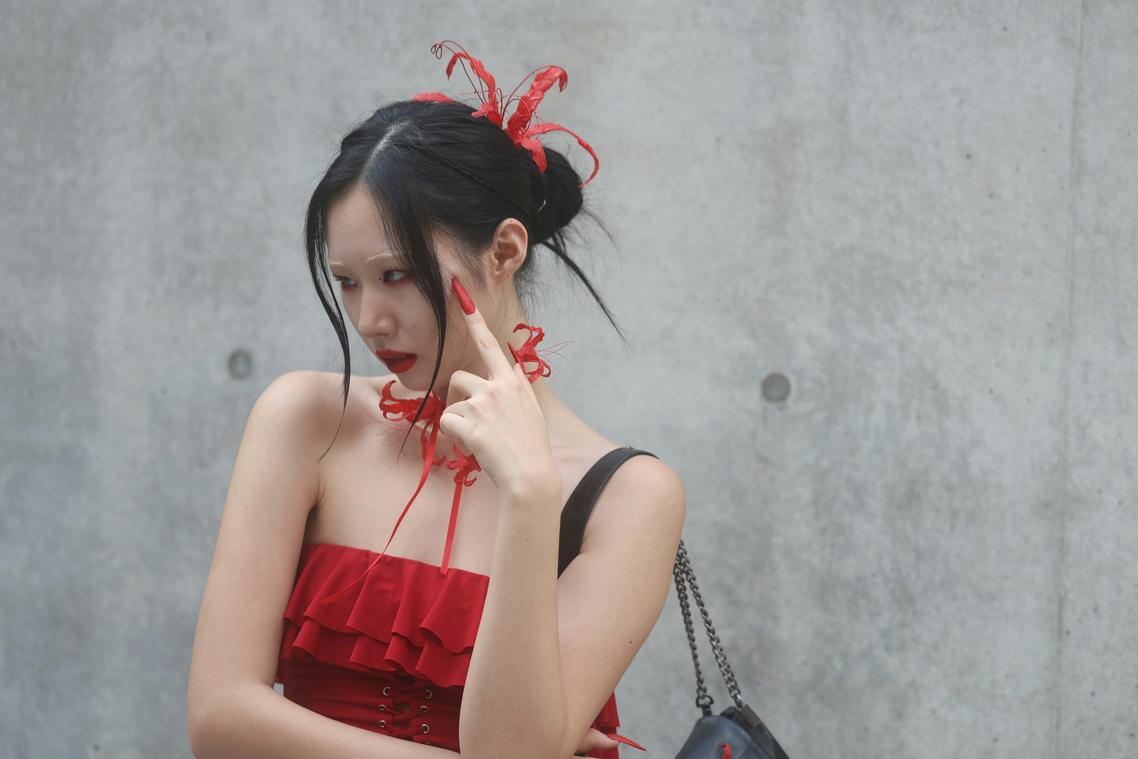
You’ve seen those runway photos.
A model walks out wearing what looks like a sculpture made of glass and wire. Or a dress so massive it needs three assistants just to move down the catwalk.
And you think: who would actually wear that?
Here’s the truth. Nobody will.
That’s not the point.
The Unwearable Statement
Some critics say these avant-garde pieces are a waste of time. They argue that fashion should be about clothes people can actually put on their bodies. Why spend millions on a show full of unwearable art? While some critics dismiss avant-garde fashion as impractical, it’s essential to consider how trends like “What Style Jeans Are in Fashion Lwspeakfashion” reflect a broader cultural conversation about wearability versus artistic expression. While some may question the practicality of avant-garde fashion, it’s interesting to juxtapose it with everyday concerns like “What Style Jeans Are in Fashion Lwspeakfashion,” highlighting the balance between artistic expression and wearable attire in today’s style landscape.
I hear that argument a lot. And sure, it sounds practical.
But it misses what’s really happening.
Those impractical garments? They’re not meant for your closet. They’re IDEAS in fabric form. Think of them as a designer’s way of saying “here’s what I’m thinking about this season” without the constraints of zippers and comfort.
Some are pure artistic expression. Others are marketing tools (because yes, that viral moment of a model in a chandelier dress gets more press than a nice blazer). And plenty are experiments. Designers test extreme versions of cuts and proportions to see what might work in smaller doses later.
It’s why fashion shows are weird lwspeakfashion. They’re not shopping experiences. They’re concept presentations.
The Translation to Retail
Here’s where it gets interesting.
After the show ends and the photos hit Instagram, the REAL work begins. Designers sit down with their teams and start editing. That sculptural sleeve that stood three feet high? It becomes a subtle puff sleeve on the version you’ll find at Nordstrom.
The process is pretty surgical. They pull out the core idea and strip away everything that makes it impossible to produce or wear. The dramatic proportions get tamed. The experimental fabrics get swapped for something you can actually wash.
What you see in stores six months later barely resembles the runway. But the DNA is there. That’s the whole game.
The Future of the Fashion Show: Digital Disruption and Sustainability
I’ve been to enough fashion shows to know they’re kind of absurd.
You sit in uncomfortable chairs for 45 minutes waiting for a 12-minute show. Half the looks you see will never make it to stores. And the whole thing costs brands millions.
But that’s changing fast.
Some people say digital shows are killing the magic of fashion week. They argue that watching a livestream from your couch isn’t the same as being there. The energy is gone. The exclusivity that made these events special? Dead.
And honestly, they have a point. I’ve watched plenty of digital presentations that felt flat. No front row drama. No backstage chaos. Just another video in my feed.
But here’s what that argument misses.
The old model was broken anyway. Most people never got into those shows. Buyers flew across the world for a 10-minute presentation. And the environmental cost? We’re talking about productions that generate tons of waste for a single day.
Why Digital Actually Works
I’ve seen brands in Miami put together fashion films that do more than any runway could. They tell stories. They reach millions instead of hundreds. And they don’t require flying editors from New York to Paris four times a year.
The accessibility piece matters too. When what style jeans are in fashion lwspeakfashion becomes a conversation anyone can join, not just the people who scored an invite, fashion gets more interesting. Lwspeakfashion Styling Guide by Letwomenspeak is where I take this idea even further.
Now let’s talk about sustainability.
Because this is where it gets messy. Brands love to say their shows are “carbon neutral” or “eco-conscious” now. They use recycled materials for the set. They serve organic canapés. Then they ship the whole production team and 300 guests halfway around the world.
That’s greenwashing. Plain and simple.
But some brands are actually trying. Smaller shows. Local venues. Digital-first approaches that cut the waste. The question is whether they’re doing it because they care or because it’s why fashion shows are weird lwspeakfashion and they need to look good. As the industry grapples with sustainability and authenticity, many are beginning to wonder, “What Fashion Trends Are Popular Lwspeakfashion?” and whether these shifts are genuinely reflective of a commitment to change or merely a strategic façade to navigate the evolving landscape of modern style. As the gaming community increasingly intersects with the fashion world, it begs the question: What Fashion Trends Are Popular Lwspeakfashion, and are these trends emerging from a genuine commitment to sustainability or merely a response to the industry’s peculiarities?
I think the future isn’t all digital or all physical. It’s both. Smaller, smarter physical events for the people who need to see the clothes up close. Digital extensions for everyone else.
Reading the Fashion Show with a Newly Critical Eye
We’ve moved past the surface now.
You can see the fashion show for what it really is. A complex mix of art, power, and commerce all wrapped up in six minutes on a runway.
These shows aren’t just about hemlines and color palettes. They’re cultural texts that tell you about status, money, and who gets to decide what matters.
Understanding these layers changes how you watch. You start seeing the strategy behind every model’s walk and the story woven into every collection.
Next time you catch runway highlights, you’ll have a different lens. You’ll spot the power plays and read the subtext that most people miss.
That’s why fashion shows are weird lwspeakfashion. They operate on multiple levels at once.
You came here to understand what makes these shows tick. Now you have that framework.
Watch the next show with fresh eyes. Notice who sits where. Ask yourself what the designer is really saying. Look for the commercial calculation hiding behind the creative vision.
You’re not just a passive viewer anymore. You’re reading the room.

 Gavren Zolmuth writes the kind of style tips and advice content that people actually send to each other. Not because it's flashy or controversial, but because it's the sort of thing where you read it and immediately think of three people who need to see it. Gavren has a talent for identifying the questions that a lot of people have but haven't quite figured out how to articulate yet — and then answering them properly.
They covers a lot of ground: Style Tips and Advice, Latest Fashion Trends, Sustainable Fashion Insights, and plenty of adjacent territory that doesn't always get treated with the same seriousness. The consistency across all of it is a certain kind of respect for the reader. Gavren doesn't assume people are stupid, and they doesn't assume they know everything either. They writes for someone who is genuinely trying to figure something out — because that's usually who's actually reading. That assumption shapes everything from how they structures an explanation to how much background they includes before getting to the point.
Beyond the practical stuff, there's something in Gavren's writing that reflects a real investment in the subject — not performed enthusiasm, but the kind of sustained interest that produces insight over time. They has been paying attention to style tips and advice long enough that they notices things a more casual observer would miss. That depth shows up in the work in ways that are hard to fake.
Gavren Zolmuth writes the kind of style tips and advice content that people actually send to each other. Not because it's flashy or controversial, but because it's the sort of thing where you read it and immediately think of three people who need to see it. Gavren has a talent for identifying the questions that a lot of people have but haven't quite figured out how to articulate yet — and then answering them properly.
They covers a lot of ground: Style Tips and Advice, Latest Fashion Trends, Sustainable Fashion Insights, and plenty of adjacent territory that doesn't always get treated with the same seriousness. The consistency across all of it is a certain kind of respect for the reader. Gavren doesn't assume people are stupid, and they doesn't assume they know everything either. They writes for someone who is genuinely trying to figure something out — because that's usually who's actually reading. That assumption shapes everything from how they structures an explanation to how much background they includes before getting to the point.
Beyond the practical stuff, there's something in Gavren's writing that reflects a real investment in the subject — not performed enthusiasm, but the kind of sustained interest that produces insight over time. They has been paying attention to style tips and advice long enough that they notices things a more casual observer would miss. That depth shows up in the work in ways that are hard to fake.