
Everyday Staples Worth Investing In
Start with classic white sneakers. They’ve never gone out of style for a reason. Clean lines, minimal fuss, and they go with everything jeans, dresses, trousers, even a casual suit if you push it. They’re your daily driver. Lightweight, easy to clean, and built for walk heavy days without sacrificing style.
Next up: loafers or ballet flats. These are for the days you need to look pulled together without trying too hard. Loafers bring a bit more structure; ballet flats keep it soft and effortless. Either way, they slip on fast and play nice with both dressed up and laid back looks. Perfect for offices, brunches, and quick errands when you don’t want to think too hard but still want polish.
Then there’s the durable ankle boot arguably the MVP of any shoe lineup. Water resistant models cover you in bad weather, while sleek leather or suede versions work year round. Paired with denim, dresses, or wide leg pants, they add edge without shouting for attention. And they hold up. When you’re rotating between seasons or sliding into travel mode, ankle boots are the shoes you keep reaching for.
Work Ready Footwear That Doesn’t Hurt
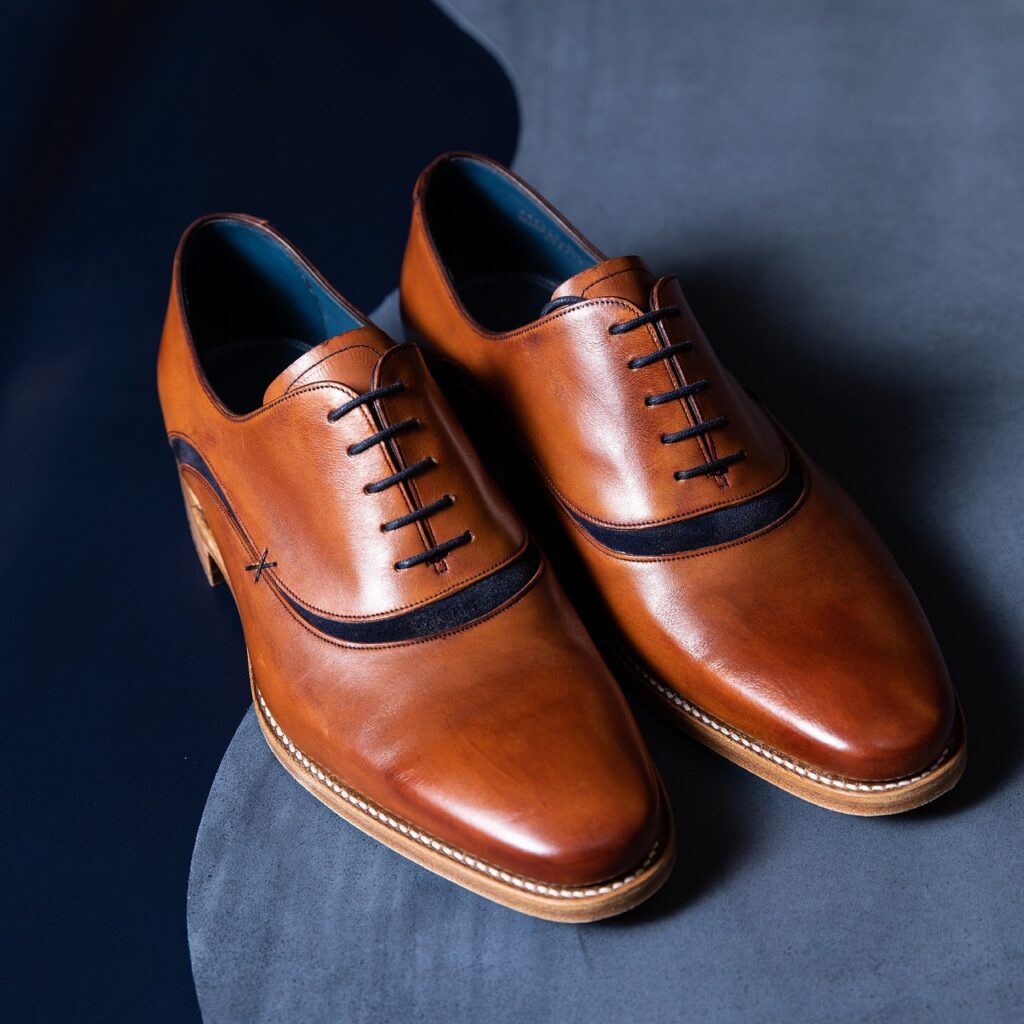
Dress shoes should look sharp but not at the expense of your feet. In 2026, more brands are catching up to what wearers have long known: good support is non negotiable. That means cushioned soles, arch support, and shock absorbing midsoles built right into designs that still look office ready. Think: hybrid oxfords, supportive loafers, and heels with traction and balance not just height.
If you’re stuck choosing between low block heels and sleek flats, know this: it depends on the role. Creatives and educators often prefer flats for flexibility and long days on their feet. Meanwhile, some corporate settings lean into block heels for that little boost in polish without compromising stability. Look for hidden features like padded insoles and rubber outsoles in both categories.
To make your shoes last as long as they should, rotation is key. Don’t wear the same pair two days in a row. Let them breathe and reset. Alternate between two to three core pairs per week, and you’ll reduce odor, maintain structure, and extend lifespan. It’s not overkill it’s how your soles survive the 9 to 5.
Footwear for Special Events That Won’t Steal Your Comfort
You don’t need to sacrifice your feet to look sharp at a formal event. The sweet spot for heel height? Somewhere between 2 to 3 inches. It provides enough lift to elongate your posture without destroying your arches an hour in. Avoid stilettos unless you’re trained for the terrain or plan to stay seated. Block heels and kitten styles offer much better stability for longer wear.
If heels just aren’t your thing, don’t force them. Embellished sandals with structured soles or pointed luxe flats in materials like satin or velvet bring the polish without pain. These aren’t lazy backups they’re smart main characters when styled right.
Renting designer shoes can be a win for rare occasions especially if you’re eyeing a statement pair for one night only. But if events crowd your calendar, invest in a quality, versatile pair you can re wear. A black or nude heel with solid arch support and non slip sole earns its place in your permanent rotation.
Outdoor Adventures & Travel Ready Choices

The best travel shoes in 2026 get straight to the point: lightweight, waterproof, and built for motion. Ultra light trainers now come packed with tech breathable membranes, molded support, and on the go traction. They’re good for airport sprints, cobblestone strolls, and quick hikes out of the city. Pick a neutral color, and they’ll pass for casual wear just fine.
Hiking boots have evolved too. Forget the clunky ankle breakers you used to dread packing. Today’s urban ready hikers are sleek, flexible, and splash resistant, made for trail detours and city grit alike. Search for hybrid outsoles, moderate ankle support, and low bulk you want solid grip without looking like you’re trekking Everest.
Packing shoes smart matters. Go for three types: one active (like the trainers above), one stylish/comfy dual purpose option (think loafers or slip ons), and one specialty if needed. Use compression bags and try stuffing socks or chargers inside the shoes to save space. Keep the weight low, or your shoulders will pay the price.
For more tips on stylish, streamlined packing, see What’s in a Perfect Travel Wardrobe Packing Light and Stylish.
Athletic and Recovery Footwear Essentials
Let’s get straight to it: if your shoes can’t keep up with your workout, they’re slowing you down or worse, setting you up for injury. When it comes to cross training and all purpose workouts, look for shoes with stable soles, good lateral support, and enough cushioning to absorb impact without making you feel like you’re sinking into memory foam. The Nike Metcon 9, Reebok Nano X3, and On Cloud X3 lead the pack for 2026, covering weightlifting, circuits, and short cardio bursts with ease.
After the workout ends, recovery begins. Slides with arch support, compression slippers that boost circulation, and cushioned clogs are more than just a comfort hack they’re tools. Brands like OOFOS, Kane, and HOKA make recovery footwear that reduces foot stress and helps you bounce back faster. Don’t just toss on your oldest sandals post sweat. Your feet just worked hard treat them like it.
Now for a reality check: athletic shoes don’t last forever. If your soles show uneven wear, the cushion feels flat, or you’re feeling mystery aches in your knees or heels, it’s probably not you it’s your shoes. Most training shoes cap out at around 300 500 miles or 6 12 months of consistent use. Don’t wait until your body files a complaint.
Your gear should work as hard as you do. Get the fit right, retire old pairs without sentiment, and your body will thank you in fewer injuries and better performance.
Timeless vs. Trend: How to Choose Smart
Navigating footwear trends can be tricky especially when styles shift as quickly as seasons. The key for 2026? Strike a balance between timeless appeal and strategic trend adoption.
Trends Worth the Hype in 2026
While not every new look deserves a spot in your closet, several 2026 footwear trends offer real staying power:
Sculptural soles: Functional and eye catching, these add subtle edge without sacrificing comfort.
Retro trainers: Think heritage running shoes with updated cushioning and materials.
Utility boots: Sturdy, stylish, and built for real use across seasons.
Trends You Can Skip
Save time (and budget) by steering clear of fleeting fads:
Overly embellished heels: Excess sequins and frills often date quickly.
Super platform slides: Impractical and unstable for regular wear.
Sock style high top sneakers: A style that flares fast but fades faster.
Neutral Foundation, Statement Layer
Building your footwear rotation on a base of neutral tones gives you maximum versatility, but that doesn’t mean you have to shy away from impact.
Start with foundational neutrals beige, white, black, taupe.
Add a splash of personality with bold tones or unique textures in accent pairs.
Think of color pops as seasonal expressions that elevate your basics.
The 2 Shoe Rule for Minimalist Wardrobes
Not into owning a dozen pairs? Simplify with this two tier approach:
Pair One: Purpose and Versatility
A neutral colored shoe that works across outfits and occasions. Think white leather sneakers, low block heels, or sleek ankle boots.
Pair Two: Personality and Statement
This is where you bring the flair a standout loafer, bright trainer, or edgy mule that adds instant polish to any simple outfit.
This approach ensures you’re always prepared, stylish, and never weighed down by decision fatigue or unnecessary clutter.
Final Thoughts on Building a Reliable Rotation
Three solid pairs. That’s the base of a hardworking shoe lineup. One pair for movement trainers that actually fit your foot and life. One pair for support something you can stand in all day without thinking about it. And one for statement because some days, you need to show up bold.
But owning good shoes isn’t the same as keeping them good. Use shoe trees to hold shape, stash them somewhere cool and dry, and clean them by season not just when they look wrecked. Most shoes aren’t built to last forever, but they’ll last longer if you respect the care part.
In the end, it’s simple: shoes should work for you. When they fit well, reflect your style, and feel good day after day, you move better. And walking into a room confident? That starts from the ground up.
