A Shift in Style Culture
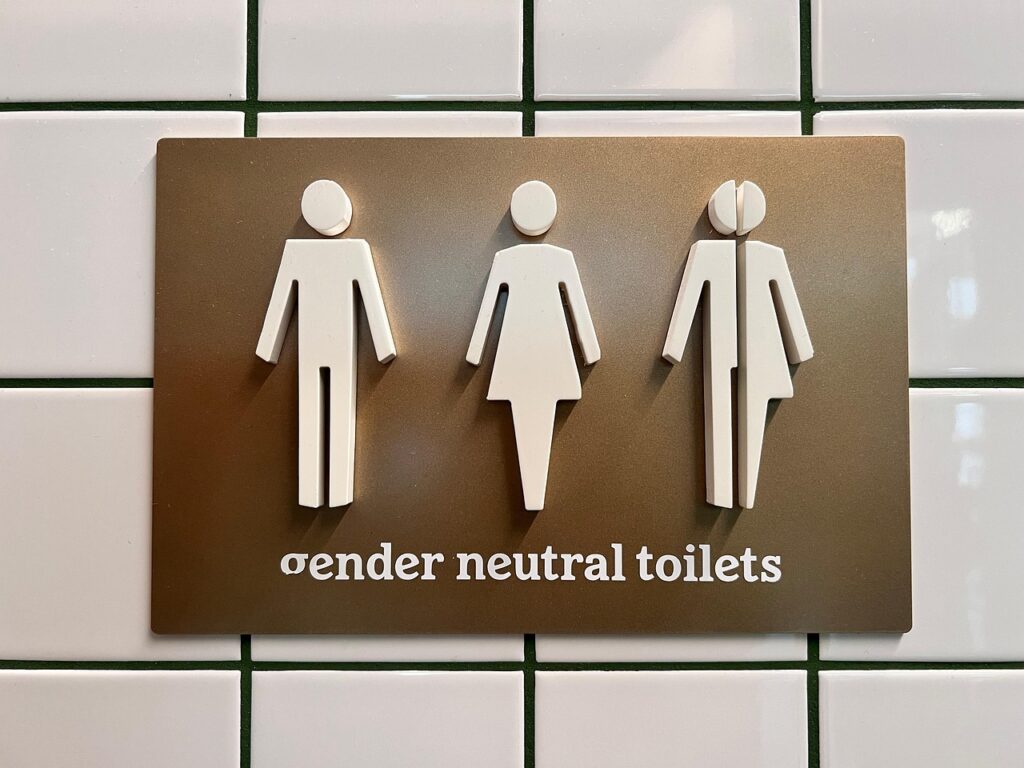
2026 is not about trends. It’s about unlearning. Across runways, sidewalks, and screens, gender is no longer the blueprint for how people get dressed. What used to be whispered in subcultures is now stitched into the mainstream: fashion is for self expression, not categorization.
Gen Z started loosening the seams. Gen Alpha is pulling the whole thing inside out. Both are showing up in shapeless denim, mesh skirts over cargos, structured suits with pearl necklaces pieces once assigned a gender, now just worn for the vibe. It’s not rebellion as much as rejection. Labels like “menswear” and “womenswear” feel too slow, too binary, too beside the point.
Retailers are catching up fast. Department stores are ditching the men’s and women’s sections in favor of style zones arranged by pattern, cut, or mood. Independent brands are scrubbing gender tags from their websites altogether. For the first time, shopping is starting to reflect how people actually want to feel in their clothes seen, but not sorted.
The result? A new era where wardrobes flex, identities breathe, and clothing isn’t limited by language.
Key Elements Defining Gender Neutral Fashion
Gender neutral fashion in 2026 isn’t about stripping things down to basics. It’s about redesigning the basics themselves. Silhouettes are moving toward flexibility think relaxed tailoring, oversized fits, and pieces that shift with you, not against you. Waistlines drop. Shoulders loosen. The result: clothing that’s as forgiving as it is expressive.
Fabrics do their part too. We’re seeing a break from rigid norms no more defaulting to lace for femininity or leather for masculinity. Instead, clothing plays with blends: crushed velvets, raw denims, bamboo knits, satinized cottons. Tactility matters more than legacy associations. What counts is how something feels on your body, not what gender used to wear it.
Then there’s color. Earth tones still ground things: rust, olive, charcoal. But primaries and metallics are in fierce rotation bright red trousers and gunmetal overcoats aren’t making statements; they’re just clothes now. The palette says what the movement does: no more formulas. Just options.
Designers to Watch in 2026
At the front lines of gender neutral fashion, a wave of designers is ditching the blueprint and starting fresh. These aren’t just tweaks to men’s or women’s wear they’re full scale reimaginings of what clothing can express. Labels like RONAN 32 and HILDA EAST are blending sharp tailoring with soft structure, offering collections that sidestep traditional gender lines without losing edge or purpose.
The big brands are taking notes and catching up. Nike, Zara, and Louis Vuitton are all testing “free form” lines that drop gender tags entirely. No separate racks, no pink for her or black for him just collections built for fit, flow, and feel. It’s not performative; it’s profit driven, sure but also overdue.
Then there are the collabs. Think: underground creators teaming up with heritage houses to push aesthetic boundaries. What happens when a nonbinary streetwear artist partners with a legacy Italian label? Raw forms. Tension. Design that doesn’t need to ask if it’s masculine or feminine it just is. In 2026, these are the names and moments to watch.
Styling Cues That Are Everywhere Right Now
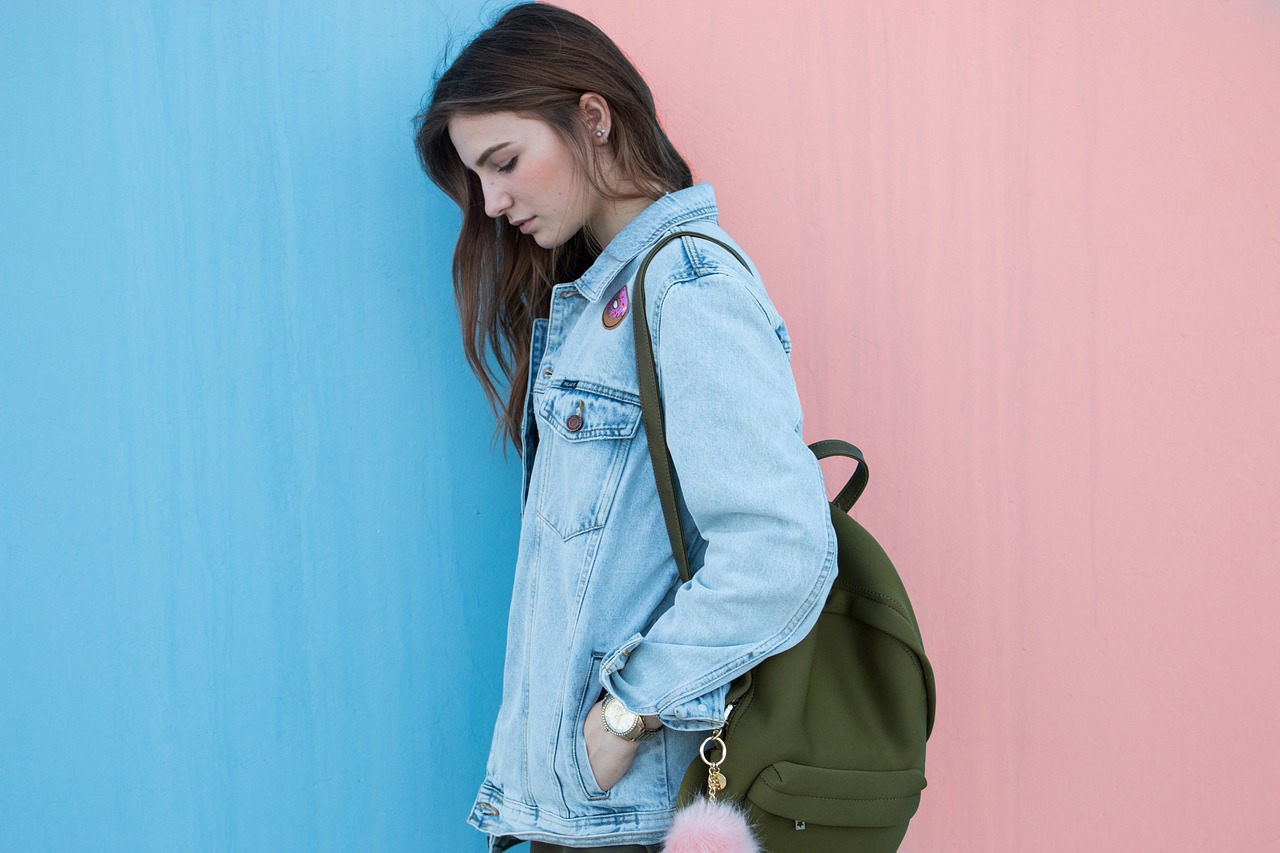
Layering has gone tactical. It’s not just about tossing on pieces anymore it’s about building intentional looks that mess with structure and rewrite silhouette norms. Think jackets over skirts over trousers, stacked for contrast and comfort. Not because it’s quirky, but because it works.
As for shoes, forget the usual binaries. Chunky loafers and stripped down boots are everywhere, crossing styling lines without asking permission. Genderless footwear isn’t just a vibe; it’s a statement of don’t box me in functionality.
Accessories are pulling from the same rulebook. Leather totes big enough to live out of, clean lined crossbodies, enamel pins that say more than labels ever did. It’s all about utility, neutrality, and letting the wearer decide what feels right, not what fits a mold.
Genderless Fashion on Social Media
TikTok, Instagram, and even YouTube Shorts have become living runways for gender fluid expression. Content creators are treating these platforms like personal lookbooks testing out silhouettes, layering experiments, and styling moves that upend traditional fashion binaries. No need for permission. If it feels right and looks sharp on camera, it’s game.
What’s rising fast are viral outfit formats that ditch the old boy/girl divide. Think: “day to night in one layer swap,” or “three fits, zero gender labels.” These formats are engineered for scrolling, but they stick because they offer real styling inspiration. It’s not just about what’s trending it’s about who’s shaping the trend, and why.
Audience response is just as crucial. Likes, shares, and duets are how social approval is codified. In that loop, creators keep pushing boundaries because the community rewards authenticity over rule following.
For a deeper look at trendsetting in action, check out 5 Micro Trends Taking Over Social Media in 2026.
Where the Movement Goes From Here
Custom fit fashion used to mean a tailor and a high priced invoice. Not anymore. AI driven tailoring is making clothes that actually fit regardless of body type more accessible than ever. Apps can now scan your body from a smartphone camera and adjust patterns in real time. Whether tall, short, curvy, lean, or anywhere in between, consumers are finally starting to get clothes that match their bodies instead of forcing bodies to fit clothes.
This shift goes beyond stitching. It’s pushing brands to drop rigid sizing charts and rethink gendered categories altogether. Labels like “men’s” and “women’s” are giving way to flexible sizing systems built around range, not restriction. Some designers are going label free altogether, letting the garment not the category speak for itself.
More than just tech, this is about power. When you wear something that was made with your actual body in mind not a marketing average you don’t just look better. You move differently. Confidence shifts. Expression widens. It’s fashion working like it should: giving people more freedom to show up as themselves in all their variations.
Wear What Moves You
A New Default for Dressing
In 2026, the boundaries between traditionally gendered clothing are not just fading they’re being actively rejected. Fashion isn’t about conforming to expectations anymore. It’s about choosing pieces that feel authentic to you, no matter their label.
Style is now less about category, more about comfort and expression
The old binary wardrobe playbook no longer applies
We’re seeing widespread normalization of androgynous and adaptive fashion
Opting Out of Old Rules
Today’s fashion forward thinkers aren’t seeking spaces to fit in.
Instead, they’re:
Curating closets that stretch across aesthetics and identities
Embracing personal style over seasonal trends
Upcycling, reworking, or remixing pieces that wouldn’t traditionally “belong”
What’s Hot Right Now
Here’s what’s defining modern, boundary free fashion:
Fit over function: Clothes that work with your shape, not the store’s section
Neutral palettes + personal twists: From stone greys to textured metallics
Individualism as inspiration: Dressing for self, not stereotypes
Whether you’re mixing silhouettes or rethinking the use of color, one thing is clear what’s hot is whatever feels right for you.
