From Runway to Sidewalk
Every season, luxury fashion houses drop the first matchstick. The flames spread fast. What starts in a dimly lit Paris showroom runway models in gravity defying silhouettes, richly layered textures, or blunt nostalgia fueled callbacks sets the tone for what the world will wear six months later.
The timeline follows a familiar rhythm. Designers preview collections at Fashion Weeks in cities like New York, Paris, Milan, and London. Then the filtering begins. Stylists, editors, and celebrities cherry pick elements that resonate. Fast fashion brands like Zara and H&M take note, spinning watered down versions into mass produced items at breakneck speed. Within weeks, what was once high concept couture becomes a hanger staple.
This isn’t accidental. Luxury labels have always been tastemakers, using scarcity and storytelling to drive desire. Their influence trickles down not just through design, but through mood, movement, even color psychology. A bold jacket shape or muted earth palette on the runway can push thousands of daily outfit decisions. Streetwear, basics, even gym clothes aren’t immune.
So while it might seem like fashion is shifting overnight, the direction points back to those first looks coming down the runway. The blueprint is still in the hands of the few but the impact lands everywhere.
The Power of Signature Aesthetics
Some designers don’t just influence fashion they change how we talk about it. Virgil Abloh redefined the boundaries between streetwear and high fashion, making quotes on hoodies and industrial belts part of a visual language. Miuccia Prada keeps minimalism interesting her strange familiar pairings of texture and silhouette challenge trends while still starting them. Demna Gvasalia takes irony and dystopia and makes them wearable. Their fingerprints are all over the culture, not just the runway.
But what actually trickles down to Main Street? It’s the stuff that’s easy to remix: boxy silhouettes, unexpected fabrics, disruptive palettes. A cropped puffer that nods to Balenciaga. A nylon tote that echoes Prada. When these elements hit a nerve cool, comfortable, a bit subversive they spread.
Not everything catches. Some runway looks are too exaggerated, too abstract, or just too hard to wear. Others flop because they ask too much of the average shopper styling effort, context, confidence. So the trends that win? They’re bold enough to turn heads, but simple enough to pull on without thinking twice.
High Fashion x Pop Culture Collaborations
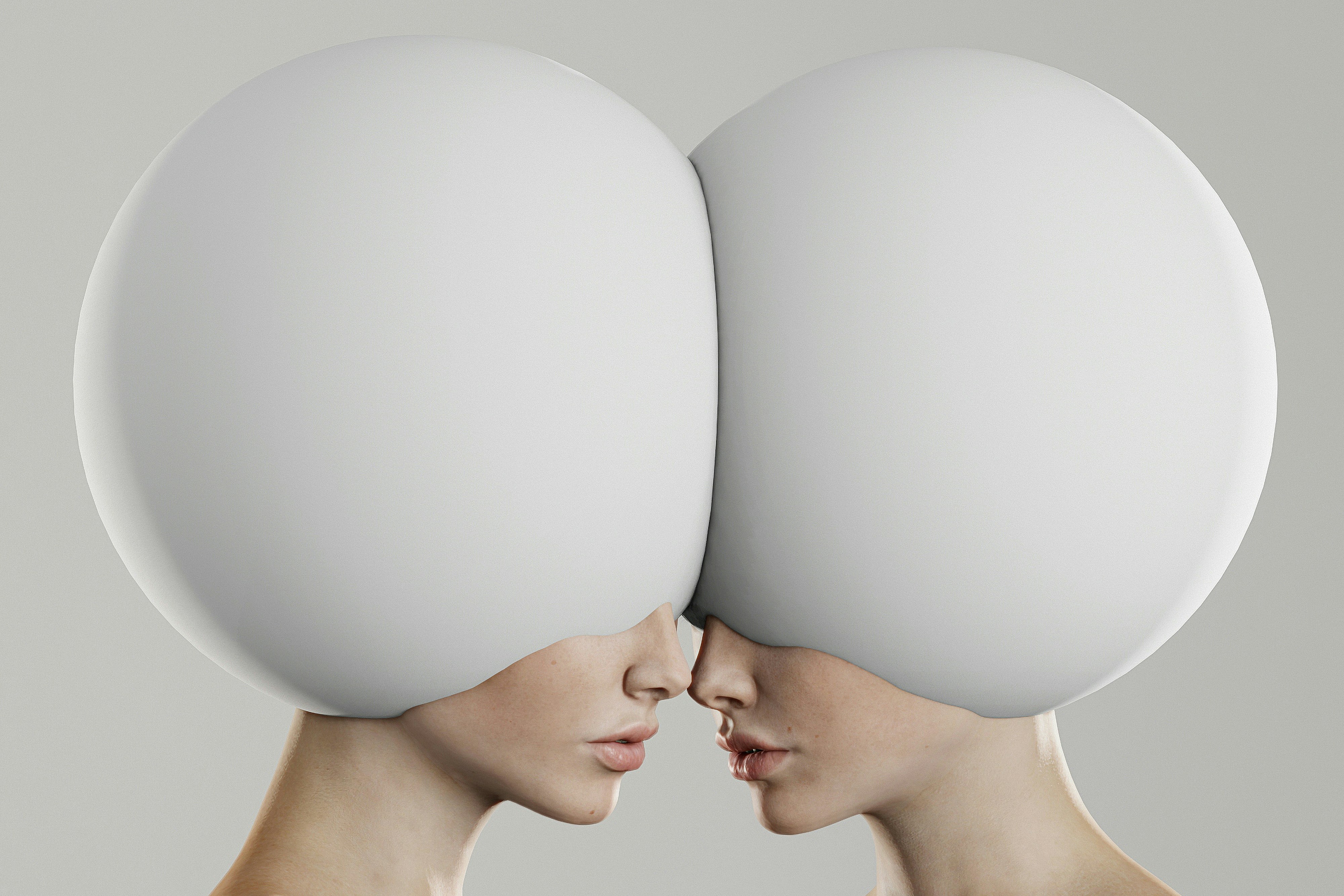
In 2024, the fastest route from runway to sidewalk often runs through a celebrity’s closet or a viral Instagram post. Fashion is democratizing, but not by accident. Designers are leaning hard into collaborations with pop icons, artists, and even unexpected brands to keep their aesthetics in circulation and on trend. It’s mutual exposure: big names lend hype, designers lend credibility.
The Balenciaga effect sums it up neatly. When a couture label leans fully into meme culture, Crocs, and dystopian streetwear, and still makes it high fashion, you know the game has changed. Fashion no longer sits on pedestals; it’s worn at concerts, in ads, and all over TikTok.
And it moves faster than ever. The moment a celebrity tags a brand in an airport fit check or struts it onstage, social platforms kick into gear. Trends that once had a season to develop now explode and burn out within weeks. Your favorite fashion moment this month? It’s tomorrow’s archive.
Want a real time read on what’s making waves? Check out trending styles.
Fast Fashion’s Role in Mass Adoption
When new collections hit the runway, retailers like Zara, H&M, and Shein move fast sometimes absurdly fast. Within days, sometimes even hours, catwalk designs are deconstructed, simplified, and reassembled for the high street. It’s not the same fabric, cut, or craftsmanship, but the average shopper isn’t looking for all that. They’re chasing the vibe silhouettes, colors, and statements that feel fresh.
This hyper speed translation works to these brands’ advantage. The faster they react, the closer they stay to what’s trending. That means steady foot traffic, regular purchases, and a constant flow of content for fashion hungry consumers. It’s efficient. It’s scalable. But it’s also built for burnout.
The drawbacks are hard to ignore. When trends turn over monthly or even weekly clothing quality suffers. Waste piles up. And shoppers start viewing pieces as disposable. The rise of ultra fast fashion has raised red flags for both environmental impact and labor practices. It’s one reason a new generation of buyers is leaning slower asking who made their clothes, where they came from, and how long they’ll actually last.
Some fast fashion giants are responding with sustainability capsules, recycling programs, and limited drop formats. But the tension remains: can fast fashion stay relevant without always being… fast? As trend curves get steeper and consumer awareness grows, that question only gets louder.
The Reverse Influence: When Streetwear Shapes the Runway
Once, the runway dictated the rules. Now? The streets are calling the shots. Designers are looking beyond museums and archives, shifting their gaze to barbershops, skate parks, open mic clubs where fashion is raw, lived in, and fully unfiltered. Gone are the days when street style existed on the sidelines. It’s front row now.
This shift isn’t about appeasement it’s admiration. The way a teenager in Tokyo layers vintage denim, how a Brooklyn crew customizes thrift store finds, or how subcultures remix athleticwear and utility gear this has become the new mood board. Big names are leaning in. Raf Simons has long nodded to youth culture. Kim Jones blurs clubwear with tailoring. And Demna? He builds whole collections off what people wear fleeing airports or loitering in suburbia.
What’s happening is a loop: inspiration flows from sidewalk to sketchpad and back again, refashioned and re elevated. Real world fashion isn’t reacting to couture it’s feeding it.
Check out how this loop plays out in trending styles.
Staying Ahead of the Trends
You don’t need a front row Fashion Week invite to get a leg up on personal style. Paying attention to top designers isn’t about wearing head to toe runway it’s about understanding where style is headed before it hits stores and social feeds. Designers signal what’s next: whether it’s a shift toward oversized silhouettes, a revival of ’90s minimalist tailoring, or a bold color story that trickles everywhere. Spot the pattern early, and you’re already ahead of the pack.
To bring high fashion into the real world without breaking the bank, start small. Focus on shape or tone maybe it’s a structured shoulder seen in a Balmain show, or a muted utility palette from The Row that fits right into your daily outfit. Mix designer cues with pieces from your own closet or well chosen fast fashion emulation, not duplication.
Looking to the next season? Keep an eye on Bianca Saunders, who’s blending genderless tailoring with fresh structure, and Peter Do, now at Helmut Lang, sharpening the edge of American basics. Also watch Marine Serre; her sculptural, upcycled aesthetics continue to push fashion’s sustainable future. These aren’t just clothes they’re the blueprint for what we’ll all be wearing in some form sooner than you think.

 Ask Mildred Masonystar how they got into style tips and advice and you'll probably get a longer answer than you expected. The short version: Mildred started doing it, got genuinely hooked, and at some point realized they had accumulated enough hard-won knowledge that it would be a waste not to share it. So they started writing.
What makes Mildred worth reading is that they skips the obvious stuff. Nobody needs another surface-level take on Style Tips and Advice, Designer Spotlights, Wardrobe Essentials. What readers actually want is the nuance — the part that only becomes clear after you've made a few mistakes and figured out why. That's the territory Mildred operates in. The writing is direct, occasionally blunt, and always built around what's actually true rather than what sounds good in an article. They has little patience for filler, which means they's pieces tend to be denser with real information than the average post on the same subject.
Mildred doesn't write to impress anyone. They writes because they has things to say that they genuinely thinks people should hear. That motivation — basic as it sounds — produces something noticeably different from content written for clicks or word count. Readers pick up on it. The comments on Mildred's work tend to reflect that.
Ask Mildred Masonystar how they got into style tips and advice and you'll probably get a longer answer than you expected. The short version: Mildred started doing it, got genuinely hooked, and at some point realized they had accumulated enough hard-won knowledge that it would be a waste not to share it. So they started writing.
What makes Mildred worth reading is that they skips the obvious stuff. Nobody needs another surface-level take on Style Tips and Advice, Designer Spotlights, Wardrobe Essentials. What readers actually want is the nuance — the part that only becomes clear after you've made a few mistakes and figured out why. That's the territory Mildred operates in. The writing is direct, occasionally blunt, and always built around what's actually true rather than what sounds good in an article. They has little patience for filler, which means they's pieces tend to be denser with real information than the average post on the same subject.
Mildred doesn't write to impress anyone. They writes because they has things to say that they genuinely thinks people should hear. That motivation — basic as it sounds — produces something noticeably different from content written for clicks or word count. Readers pick up on it. The comments on Mildred's work tend to reflect that.