

1.89 meters is equal to 6.20079 feet, or more practically, 6 feet and 2.41 inches.
This article will not only give you the answer but also break down the simple math behind the conversion. So, you can calculate any measurement on your own.
Why do people need this? Often, it’s for personal height, specifying dimensions for furniture, or understanding measurements in international sports.
By the end, you’ll have a complete understanding of how to confidently convert meters to feet and inches without needing a calculator every time.
Ready to dive in? Let’s get started.
Breaking Down the Math: The Step-by-Step Conversion Formula
Let’s get to it. The single most important number for this conversion is 1 meter = 3.28084 feet. This is your universal conversion factor.
First step: Multiply the meters by 3.28084 to get the feet. For 1.89 meters, the formula looks like this: 1.89 × 3.28084 = 6.20079 feet.
The whole number ‘6’ represents the full feet. Simple, right?
Now, take the decimal part (0.20079) and convert it into inches. The formula here is: Decimal × 12 = Inches. So, 0.20079 × 12 = 2.40948 inches.
Combine the two parts. You get 6 feet and 2.40948 inches.
Round it for practical use: 6 feet and 2.41 inches.
This two-step process—multiply by 3.28084, then multiply the remaining decimal by 12—is the key to any meter-to-feet-and-inches conversion.
Pro tip: Keep a calculator handy. It makes these conversions a breeze.
Visualizing the Height: What Does 1.89 Meters Actually Look Like?
Let’s get real for a second. You might hear 1.89 meters and think, “That’s just a number.” But it’s more than that.
Imagine standing next to someone like LeBron James. He’s 6’9″ (or 2.06 meters). So, 1.89 meters is a bit shorter but still pretty tall.
Now, picture a standard interior doorway in the US. It’s usually around 6’8″ or 2.03 meters. So, 1.89 meters is just a tad shorter than that.
In terms of personal height, 1.89 meters (6’2\”) is considered tall in most countries. In the US, the average male height is about 5’9″. For women, it’s around 5’4″.
So, at 1.89 meters, you’d definitely stand out in a crowd.
For a room’s width, 1.89 meters would be quite narrow. Most rooms are wider than that to make them functional and comfortable.
Here’s a simple mental trick: Think of a tall refrigerator. They’re often around 1.8 meters tall. Add a little more, and you’ve got 1.89 meters.
So, what should you do with this info? Use it to better understand and visualize heights. Next time you hear 1.89 meters, you’ll have a clear picture in your mind.
Why Two Systems? A Brief Look at Metric vs. Imperial
The metric system, or SI units, is based on the number 10. This makes it super simple for scientific and international use. It’s like a universal language for measurements.
On the other hand, the Imperial system (feet, inches, pounds) has its roots in historical traditions. It’s still widely used in the United States, Liberia, and Myanmar.
Why does this duality matter? In our modern, connected world, especially in fields like software development, engineering, and international trade, precise measurements are critical.
- Metric System: Base-10 structure, easy for calculations.
- Imperial System: Traditional, more complex conversions.
Understanding both systems is a practical skill. For example, if you’re working with international colleagues, you need to know that 1.89 metres in feet is about 6.2 feet.
A famous real-world example of a conversion error is the Mars Climate Orbiter incident. The spacecraft was lost because one team used metric units while another used Imperial. This mistake cost NASA $327.6 million.
Getting these calculations right is crucial. Whether you’re in tech, science, or any field that deals with measurements, knowing both systems can save you from costly errors.
the evolution of virgil abloh influence on streetwear
Quick Reference Chart: Common Height Conversions
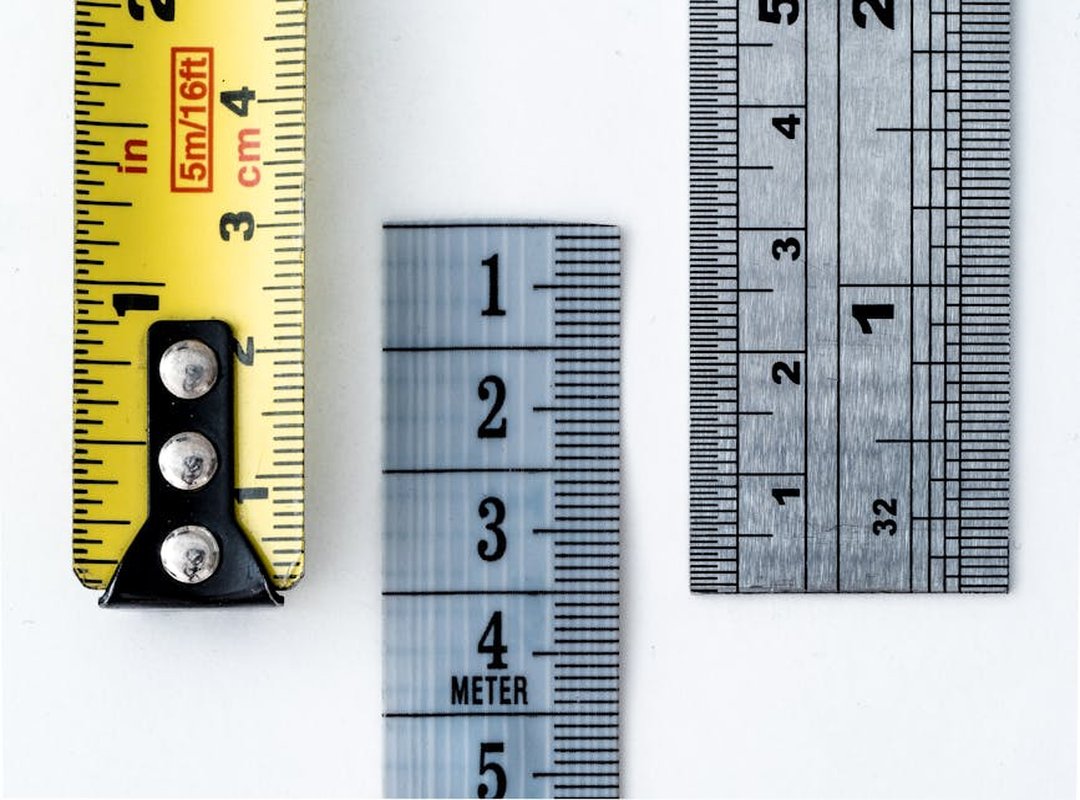
Sometimes you just need a quick answer without doing the math. Here’s a simple chart for common height conversions.
| Meters | Feet (in decimal form) | Feet & Inches |
|---|---|---|
| 1.80m | 5.91ft | 5ft 11in |
| 1.85m | 6.07ft | 6ft 1in |
| 1.89m | 6.20ft | 6ft 2in |
| 1.90m | 6.23ft | 6ft 3in |
| 1.95m | 6.40ft | 6ft 5in |
Use this chart to quickly estimate heights in feet and inches. For example, 1.89 metres in feet is about 6.20ft or 6ft 2in. No more manual calculations needed.
Bookmark this page for easy access whenever you need to convert heights. It’s a handy tool that can save you time and effort.
Mastering Unit Conversions for Everyday Use
Understanding unit conversions is a handy skill. 1.89 meters in feet converts to 6 feet and 2.41 inches, using the conversion factor of 3.28084. While online converters offer quick results, grasping the simple formula behind these numbers empowers you. This knowledge proves practical in various scenarios, from online shopping and DIY projects to comprehending international specifications in tech and sports.
Now, challenge yourself to apply this method to another measurement you come across today, and solidify your new skill.
